Losing your job can be one of the most emotionally and financially disruptive events in life. Whether the layoff was unexpected or something you saw coming, the uncertainty that follows can feel overwhelming. If you’re wondering what to do financially after losing your job, the good news is that there are clear financial steps you can take after a job loss, and ideally before, to help protect yourself and regain stability.
Life doesn’t always go according to plan. Job loss is rarely anticipated, but it’s not uncommon. Being prepared with a financial plan for job loss can help make all the difference. Whether you’re currently employed or between jobs, it’s wise to take proactive steps now so you’re not scrambling later. One of the most powerful tools in unemployment financial planning is building a reliable safety net in advance.
Build an Emergency Fund After a Layoff (or Before You Need It)
While there are many reasons it is important for everyone to have an emergency fund, perhaps none is as important as protecting yourself from a job loss. An emergency fund after a layoff acts like a financial cushion until you secure a new job and helps prevent you from making rash decisions like tapping into retirement savings too early or going into high-interest debt that can have a long-term negative impact on your finances.
So how much should you save? A good rule of thumb is to save roughly three to six months of your essential living expenses or net take-home pay. You should err on the higher side if you are a one-income household or have variable income. If you have two stable incomes, a smaller buffer may suffice.
Keep your emergency savings in a liquid, low-risk account, such as a high-yield savings account or money market fund. The goal is accessibility. You want to avoid accounts that fluctuate with the market or carry withdrawal penalties.
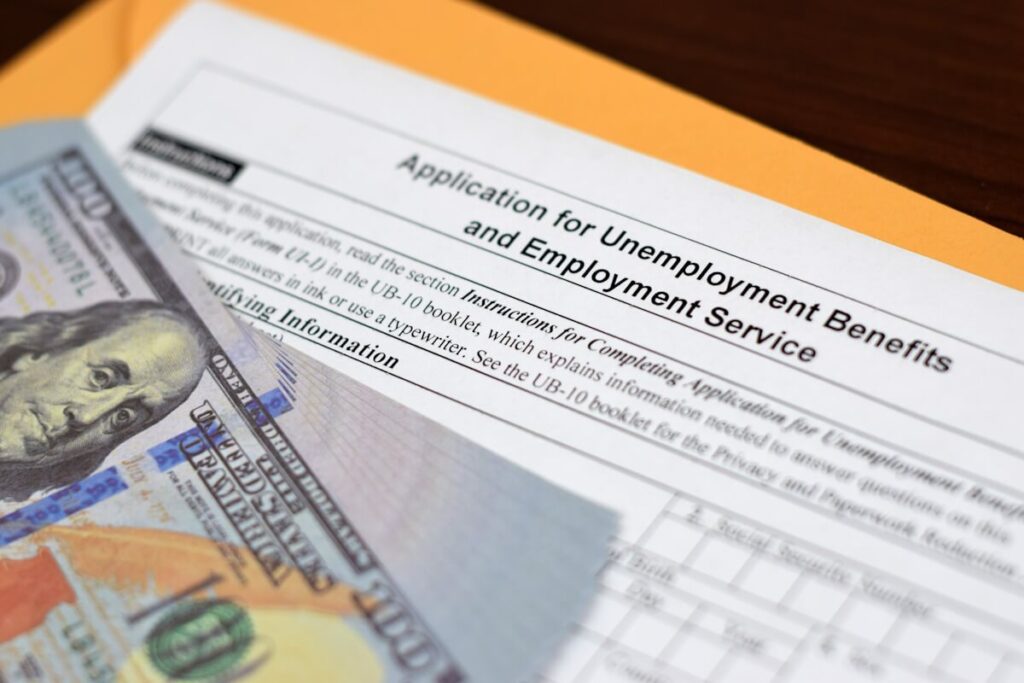
File for Unemployment Benefits Immediately
If you’ve recently lost your job, an important first step is to file for unemployment benefits as soon as possible. Processing times may vary, and delays may impact how quickly you receive support.
Each state has its own rules around eligibility, benefit amounts, and how long you can receive aid. In many states, you can receive unemployment benefits for up to 26 weeks. It is important to note that not everyone qualifies. If your job loss was voluntary, or if you’re receiving severance pay or temporary income, those factors may reduce or eliminate your benefits eligibility.
For Pennsylvania Residents:
In Pennsylvania, you can file online at Pennsylvania’s Unemployment Compensation (UC) Benefits System. Be prepared to provide your recent employment history, earnings, and reason for separation. Understanding the specifics of your state’s program is an essential part of unemployment financial planning.
Choose the Right Health Insurance After Job Loss
Losing employer-sponsored coverage can feel overwhelming, but acting quickly can help you avoid a lapse in insurance and help protect you from unexpected medical costs. A health event without insurance could be very costly, only exacerbating the financial hardship of job loss. You typically have three main options:
Coverage Through a Spouse’s Plan
If you are married, job loss is considered a qualifying event which means you can enroll in your partner’s employer-sponsored health insurance even if they are not currently in open enrollment.
COBRA Insurance
You may also be eligible for COBRA Insurance in Pennsylvania or your state of residence. The Consolidated Omnibus Budget Reconciliation Act (COBRA) allows you to continue your previous employer’s health plan for up to 18 months (or longer under certain circumstances). Coverage is typically expensive because you are responsible for the full premium (employee and employer share of the premium), plus an additional administration fee of up to 2%. You can learn more about COBRA on the Department of Labor’s website FAQs on COBRA Continuation.
Health Insurance Marketplace
A third option would be to obtain health insurance through the Health Insurance Marketplace. Dependent on income, insurance through the Marketplace may offer tax credits to reduce the cost of coverage. It will also help determine if you qualify for other government programs like Medicaid or CHIP. Pennsylvania’s website allows you to apply online, run comparisons, and provides educational information https://pennie.com/.
Budgeting After Job Loss: How to Help Regain Control of Your Finances
When you’re facing a loss of income, budgeting after job loss becomes one of the most important tools for regaining control of your finances. It might feel overwhelming at first, especially while you’re adjusting emotionally too, but creating a realistic, flexible plan can assist in making the road ahead more manageable.
Start with these steps:
- Identify all sources of income you may still have (severance, unemployment benefits, freelance work, etc).
- Take stock of current savings and note which are liquid or easily accessible.
- List out all expenses – recurring and irregular like gifts, insurance premiums, property taxes, and annual subscriptions.
- Categorize your expenses into essentials (e.g. housing, groceries, healthcare) and nonessentials (e.g., streaming services or dining out).
- Cut or pause nonessential spending wherever possible to help reduce your monthly shortfall.
Creating this snapshot will help you understand your current cashflow, set spending limits, and help you make strategic decisions about when, or if, you need to tap savings or credit. This is a core part of your financial planning after a job loss, and it may also help reduce stress by giving you a clearer picture of your options.
Proactively Contact Creditors or Loan Servicers
Now that you have laid out your budget, the next step is to assess whether you’ll have trouble keeping up with monthly bills. If a shortfall seems likely, contact your creditors proactively, before you miss a payment.
Some lenders offer temporary relief through financial hardship programs, which can include deferred payments, interest-only plans, or short-term forbearance. Student loans, in particular, may qualify for federal forbearance options, which pause or temporarily reduce your payments during times of financial difficulty.
While such programs can be useful in a time of need, it is important to weigh the long-term ramifications. Often, you still accrue interest during these periods, causing your debt to compound.

How to Cover a Financial Shortfall After a Job Loss
Even with revised budgeting and expense cuts, you may still face a gap between your income and expenses. Identifying ways to supplement your income during unemployment or access additional funds can help bridge that gap and assist in minimizing long-term damage to your finances.
Increase Your Short-Term Income
- Consider side hustles or temporary work: In today’s economy, there are numerous gig economy jobs, freelancing, or part-time roles outside your previous industry that can provide immediate cash flow. This doesn’t have to be long-term or in the realm of your previous job.
- Sell unused items: Furniture, electronics, or other valuable items you no longer need can possibly be turned into quick cash.
Use Accessible Savings First
- Savings Accounts and Money Market Funds: These liquid assets may provide easier access and be least disruptive to use.
- Taxable Brokerage Accounts: Consider selling investments in non-retirement accounts, but be mindful of capital gains taxes.
Consider Secured Credit Options
- Home equity loans or lines of credit (HELOCs): While there certainly are consequences and risks to taking on additional debt during this time leveraging your home equity can be an option. Much like It may be useful to save an emergency prior to needing it, obtaining an equity line of credit beforehand, while you are employed, can help ensure the funds are available in your time of need.
- Use sparingly, since adding debt during unemployment should be a last resort.
Retirement Account Withdrawals (Only When Necessary)
- If you are 59.5 or older, you can make withdrawals from most retirement accounts without penalty.
- Some employer-sponsored plans allow withdrawals penalty-free if you leave that employer after turning 55.
- If you are over 59.5 and meet the five-year holding period, you can withdraw from a Roth IRA and avoid the 10% early withdrawal penalty.
- You are also eligible to withdraw contributions made to a Roth IRA at any time without taxes or penalties. Keep in mind that taxes and penalties still apply to the withdrawals of earnings, though.
- Before drawing from retirement savings, consider the tax consequences of withdrawals after job loss and consult a financial advisor to determine if it’s the most strategic move.
Avoid Major Financial Decisions During Uncertainty
During periods of change like job loss, flexibility is key. Try to avoid making any major decisions until you have more clarity. For example, you may receive a lump sum severance or PTO payout and be inclined to pay off debt to free up monthly cash flow. While that may be the best strategy for some there are numerous considerations to consider before doing so. Is the interest rate on debt less than you can earn in a cash vehicle? If so, you may be hurting yourself in the long term, while also losing flexibility. Also, you have no idea how long you may be unemployed for, so it may be a better option to keep these funds as a cushion in case it is prolonged. You can always revisit this strategy when financially secure again.
Explore a Tax-Efficient Roth Conversion During a Low-Income Year
If your income drops significantly in the year of your job loss, you may find yourself in a lower tax bracket than usual. This creates a unique opportunity for a tax-efficient Roth conversion, where you move funds from a traditional IRA or 401(k) into a Roth IRA. If properly executed, this approach may allow you to pay lower taxes on the conversion than you otherwise would when the funds are withdrawn in the future in a higher income year.
Benefits of a Roth Conversion
- Withdrawals in retirement are tax-free if certain conditions are met.
- No required minimum distributions (RMDs) during your lifetime.
- Potential to reduce future tax liability for you or your heirs.
Important Considerations
- Converting too much at once could push you into a higher tax bracket.
- Try to maintain proper liquidity and not allow this to exacerbate the financial issues from your job loss.
- You’ll need enough cash on hand to cover the tax bill.
- Timing matters. It may be a better option towards the end of the year or after you gain more clarity around your next job.
Because the tax rules are complex, it’s wise to discuss your options with a professional. A financial advisor can help you determine if a Roth conversion aligns with your long-term goals and current liquidity needs.
Work with a CERTIFIED FINANCIAL PLANNER® Practitioner
Navigating a job loss is rarely just about numbers. It’s about making decisions that affect your future stability, lifestyle and peace of mind. A CERTIFIED FINANCIAL PLANNER® practitioner can help you approach these decisions with clarity and confidence.
Ways a CERTIFIED FINANCIAL PLANNER® Practitioner Can Support You:
- Revisit Your Goals: Depending on where you are in your career or life, you may decide you don’t need to return to your previous role or full-time work. A CERTIFIED FINANCIAL PLANNER® practitioner can illustrate how different scenarios, like working part-time or shifting careers, can affect your long-term financial plan. They can even help enlighten you on alternatives such as earning a lesser income, even if that may require the length of time you plan to work but ultimately improving your overall satisfaction.
- Identify the Most Efficient Sources of Funds: Guidance on which accounts to access first can help you avoid unnecessary taxes, penalties, or long-term opportunity costs. This may involve strategies that connect to your overall retirement planning or estate planning for your broader financial security.
- Integrate Short-Term Decisions into your Long-Term Plan: Whether it’s a Roth conversion, budget adjustments, or debt repayment, a CERTIFIED FINANCIAL PLANNER® practitioner can help ensure today’s moves align with your future goals.
While a job loss is something most people hope to avoid, the truth is that financial transitions happen and you don’t have to navigate them alone. Connecting with a CERTIFIED FINANCIAL PLANNER® practitioner can help you move forward with both stability and purpose.
Sources:
https://alleghenyfinancial.com/how-to-mitigate-risk-and-establish-financial-stability
https://alleghenyfinancial.com/what-to-do-when-you-have-lost-your-job-and-are-now-unemployed
https://www.consumerfinance.gov/consumer-tools/unexpected-job-loss